Science
Purpose of study
A high-quality science education provides the foundations for understanding the world through the specific disciplines of biology, chemistry and physics. Science has changed our lives and is vital to the world’s future prosperity, and all pupils should be taught essential aspects of the knowledge, methods, processes and uses of science. Through building up a body of key foundational knowledge and concepts, pupils should be encouraged to recognise the power of rational explanation and develop a sense of excitement and curiosity about natural phenomena. They should be encouraged to understand how science can be used to explain what is occurring, predict how things will behave, and analyse causes.
Source: National Curriculum, 2014
Intent
At Ilchester school we encourage the children to be curious and inquisitive. We want them to ask questions and seek answers; to develop lively, enquiring minds and a positive attitude to science. Science at Ilchester School aims to give all children a strong understanding of the world around them whilst acquiring skills and knowledge to help them to think scientifically, gain an understanding of scientific processes and also an understanding of the uses and implications of Science, today and for the future. Our aims are to fulfil the requirements of the National Curriculum for science; providing a broad, balanced and differentiated curriculum; ensuring the progressive development of knowledge, skills and vocabulary and for the children to develop a love of science. We also introduce children to significant scientists each term and highlight STEM careers that link with their learning.
We want children to understand the impact science has on our daily lives and the role it plays in the world around us and how important it is for the future.
Implementation
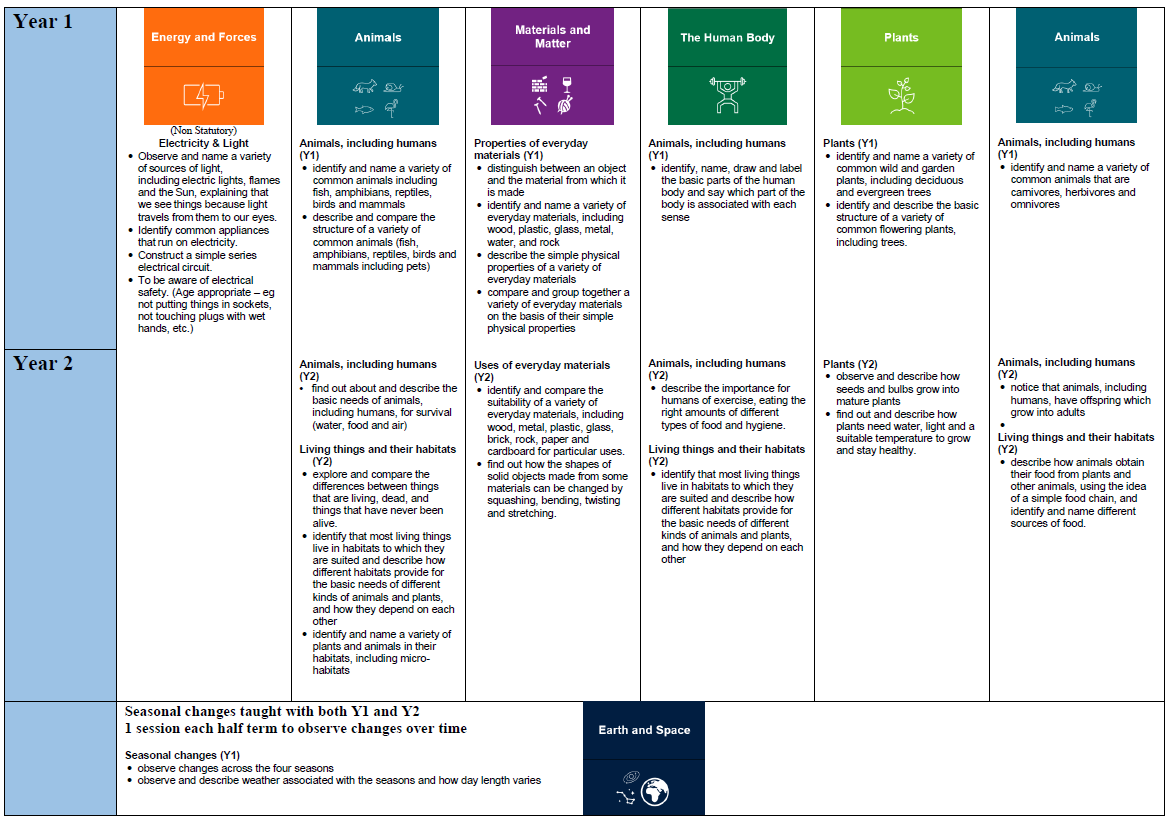
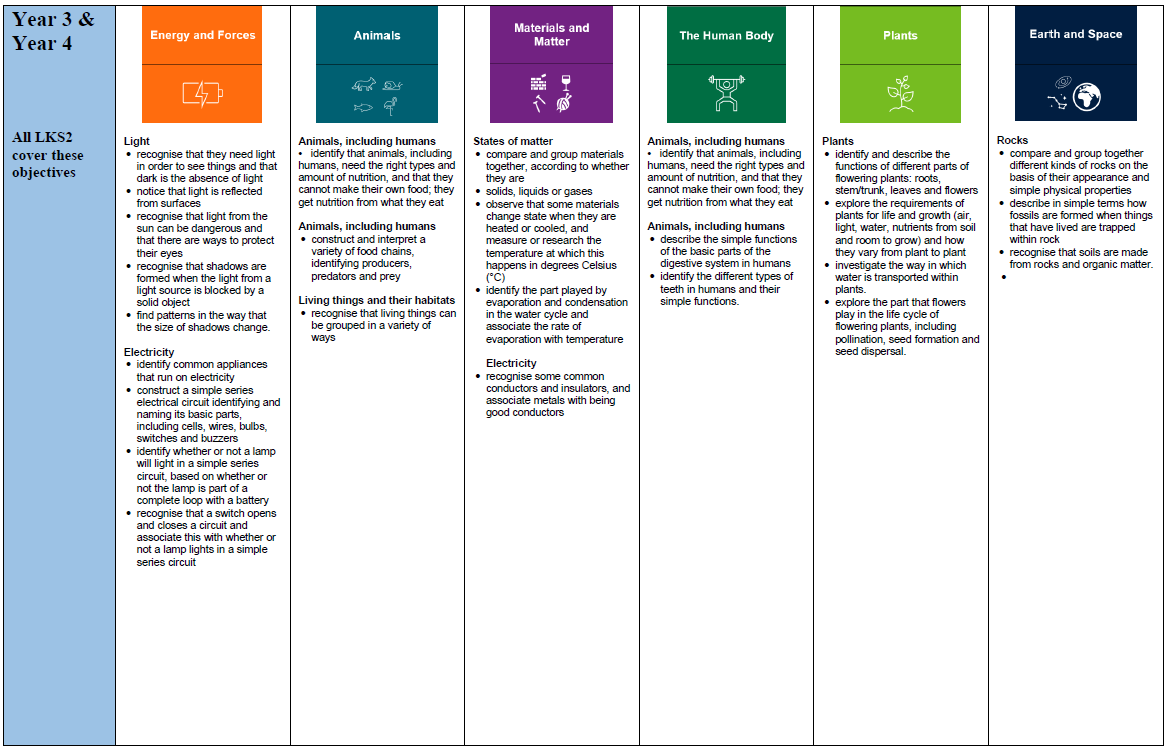
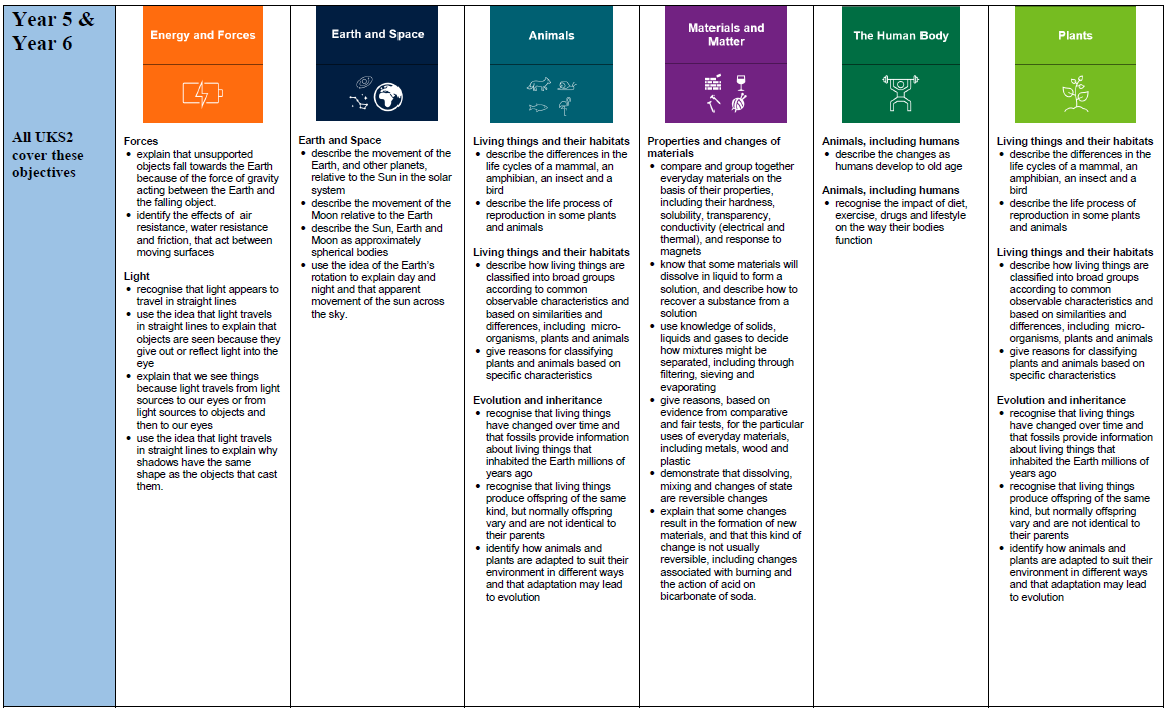
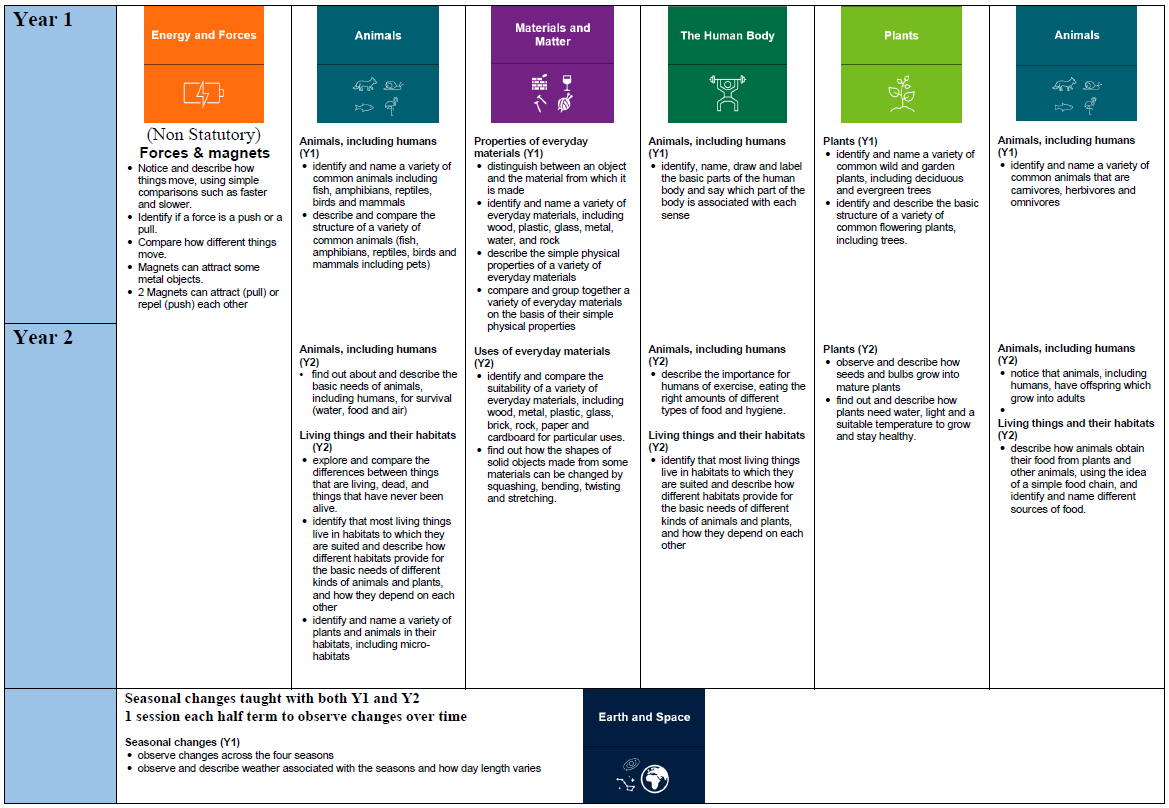
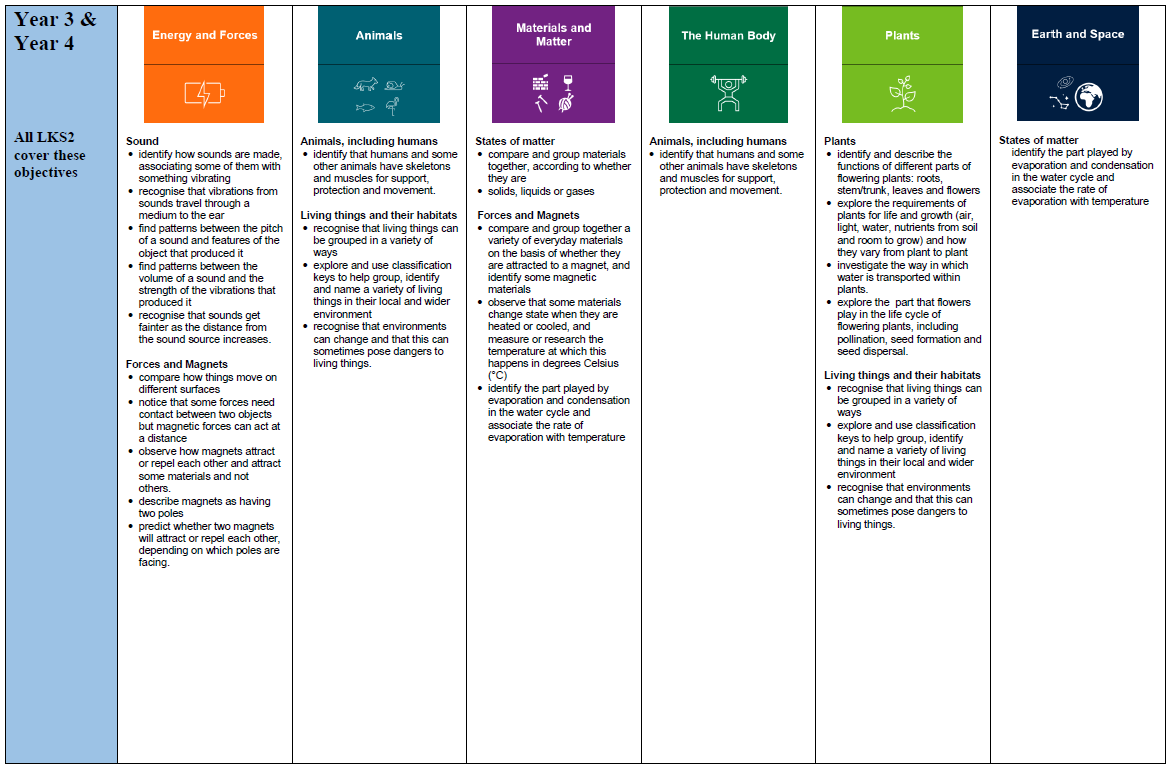
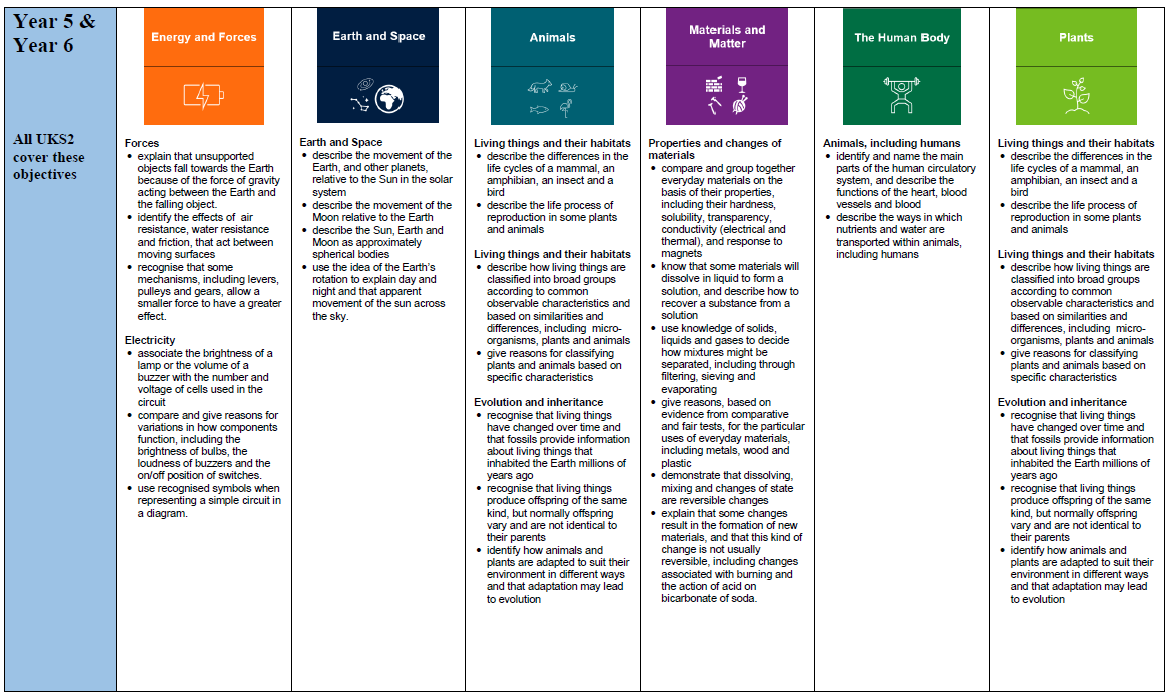
Each year, our children will explore their science learning through six core areas of learning; 
These are repeated and built upon every academic year, helping to develop a rich understanding and progression in these areas. Learning is deliberately sequenced so that new knowledge builds upon prior learning. Units are positioned carefully within and across academic years, enabling children to retrieve previous knowledge, make connections between scientific concepts and apply existing understanding to increasingly complex ideas.
In each of these areas of learning, children will explore five key scientific concepts, or ‘big ideas’; across these areas, children repeatedly encounter our five 'big ideas' of science: Energy, Structures and Systems, Changes and Cycles, Cause and Effect and Sustainability. These provide conceptual threads through the curriculum, helping children to make connections between different areas of science and build increasingly sophisticated scientific understanding.

These big ideas provide cohesion to the curriculum and are returned to again and again, with links made between different areas of learning. In KS1 only the first three big ideas; energy, structures and systems and changes and cycles are introduced.
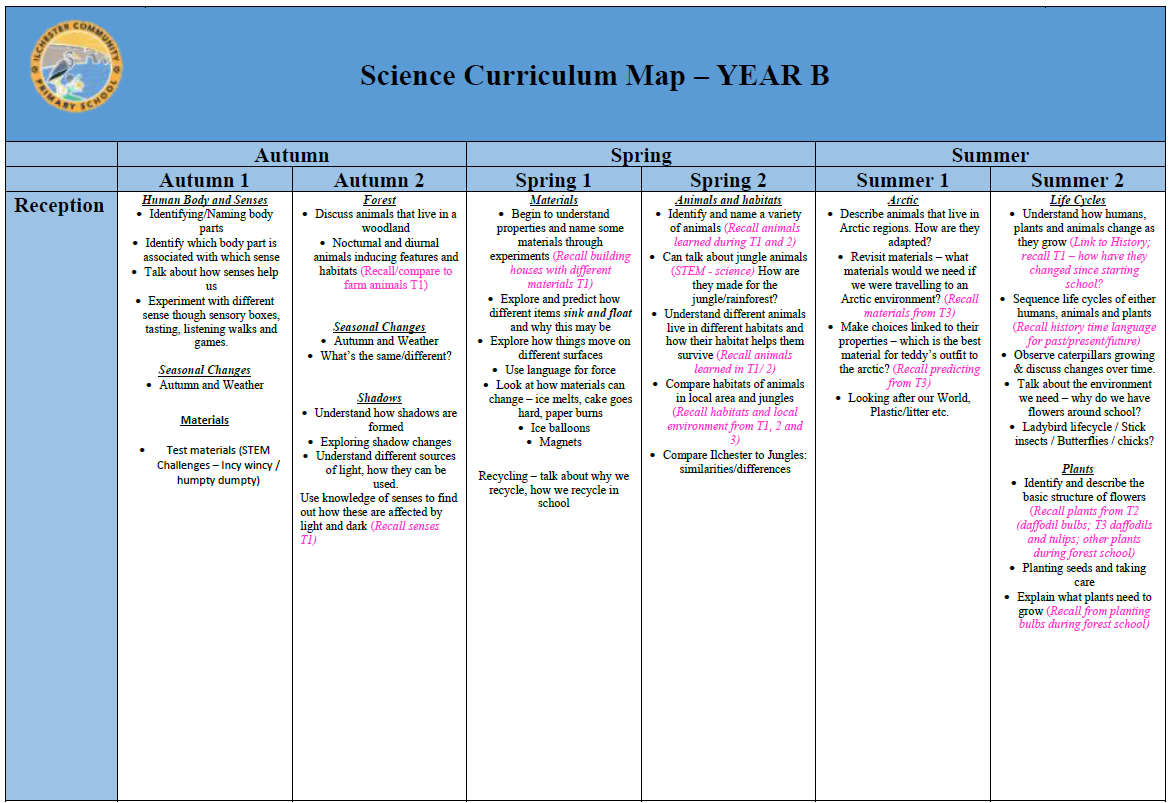
In EYFS, science learning is embedded throughout our play-based curriculum and is closely linked to the Understanding the World area of learning. Children are encouraged to develop curiosity, ask questions, investigate and make observations through first-hand experiences both indoors and outdoors. Alongside opportunities within continuous provision, Forest School and outdoor learning, science is also taught through discrete adult-led lessons linked to our high-quality class texts and overarching themes of learning. These carefully planned sessions introduce key scientific concepts and vocabulary while providing opportunities for children to explore, question and investigate. Children learn about seasonal changes, living things, materials and the natural world through practical experiences such as growing plants, caring for living things, observing weather patterns and exploring how things work. Adults model scientific language, encourage prediction and problem-solving, and support children in noticing patterns, similarities and changes over time. This combination of purposeful teaching and exploratory learning ensures children develop the foundational scientific knowledge, skills and curiosity needed for future learning in Key Stage 1.
In KS1, we follow the same 6 units each year. We have a sequence of learning, within each unit, where the Y1 children have a different specific knowledge focus to the Y2 children. In split classes the Y2 children will be reminded of their Y1 learning and then taken further once the Y1 children begin their independent work or enquiries. This structure allows our younger children to revisit key knowledge and skills from Year 1 and to take this learning further and developing a deeper understanding. This ensures firm foundations in these areas are built.
In KS2 the science curriculum is mapped onto a two year rolling program for lower KS2 (year 3 and 4) and then upper KS2 (year 5 and 6) to ensure coverage of all objectives and progression, within core 6 areas of learning. This also allows the school to accommodate split year groups across the school.
In each of our phase programmes, we have thought carefully about the order we introduce the areas of learning throughout each academic year in order to build knowledge sequentially and make meaningful links between areas of learning. The children’s substantive knowledge is mapped across the school, for each year group, in the 6 core areas to ensure progression and deeper understanding.
Children’s understanding and learning is assessed through the use of baseline assessments at the beginning of each unit on key concepts and vocabulary and then at the end of the unit.
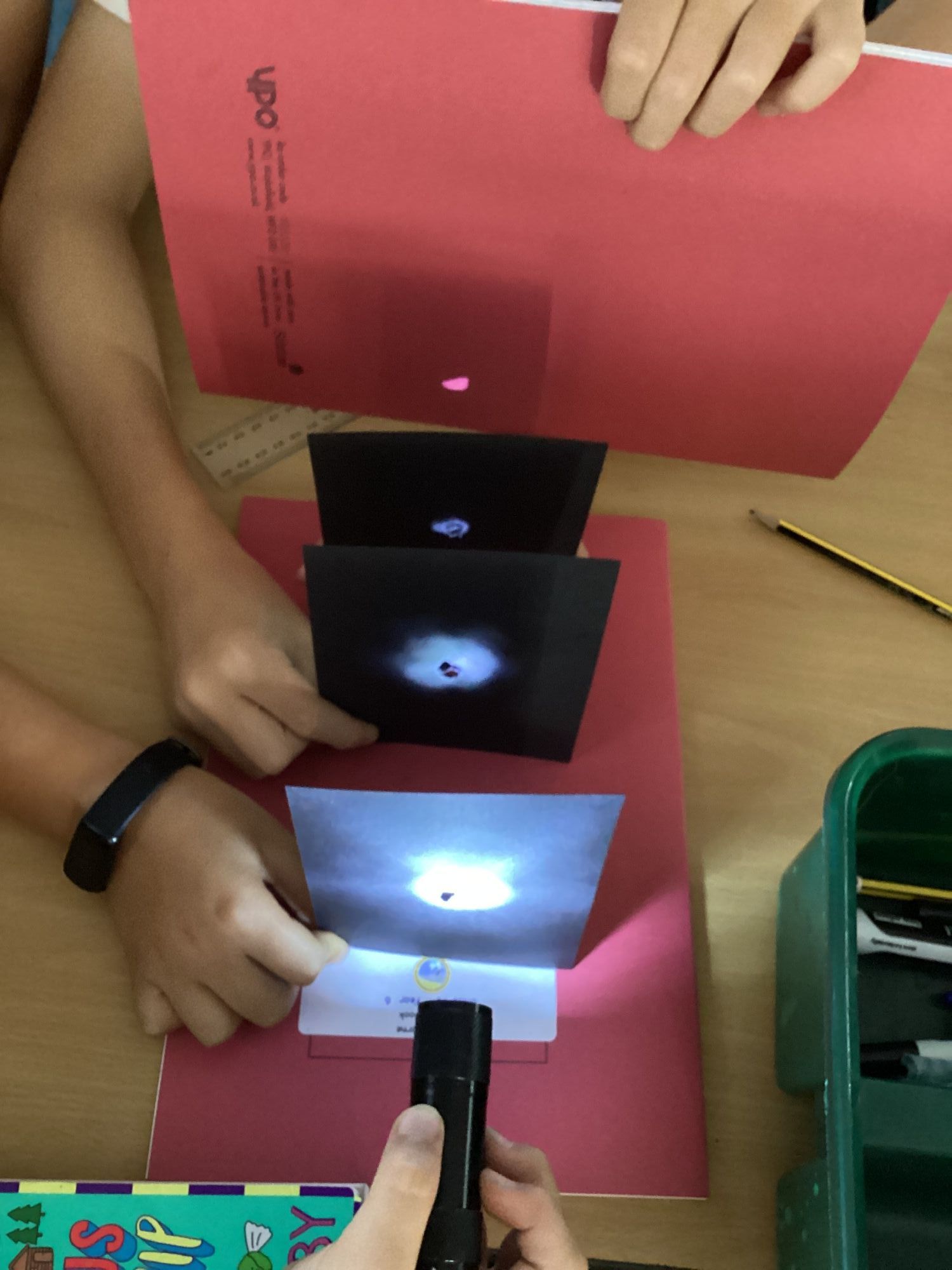
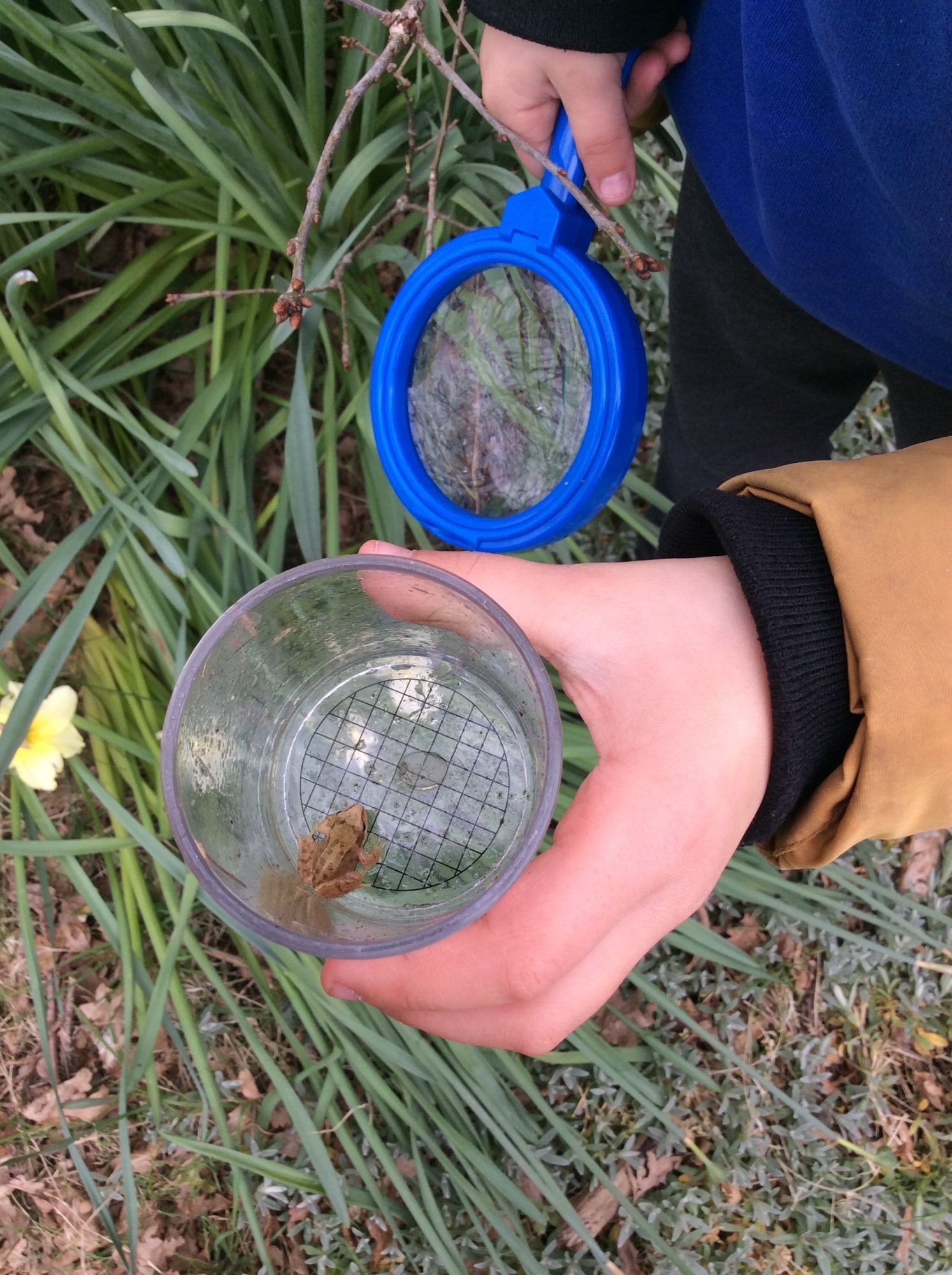
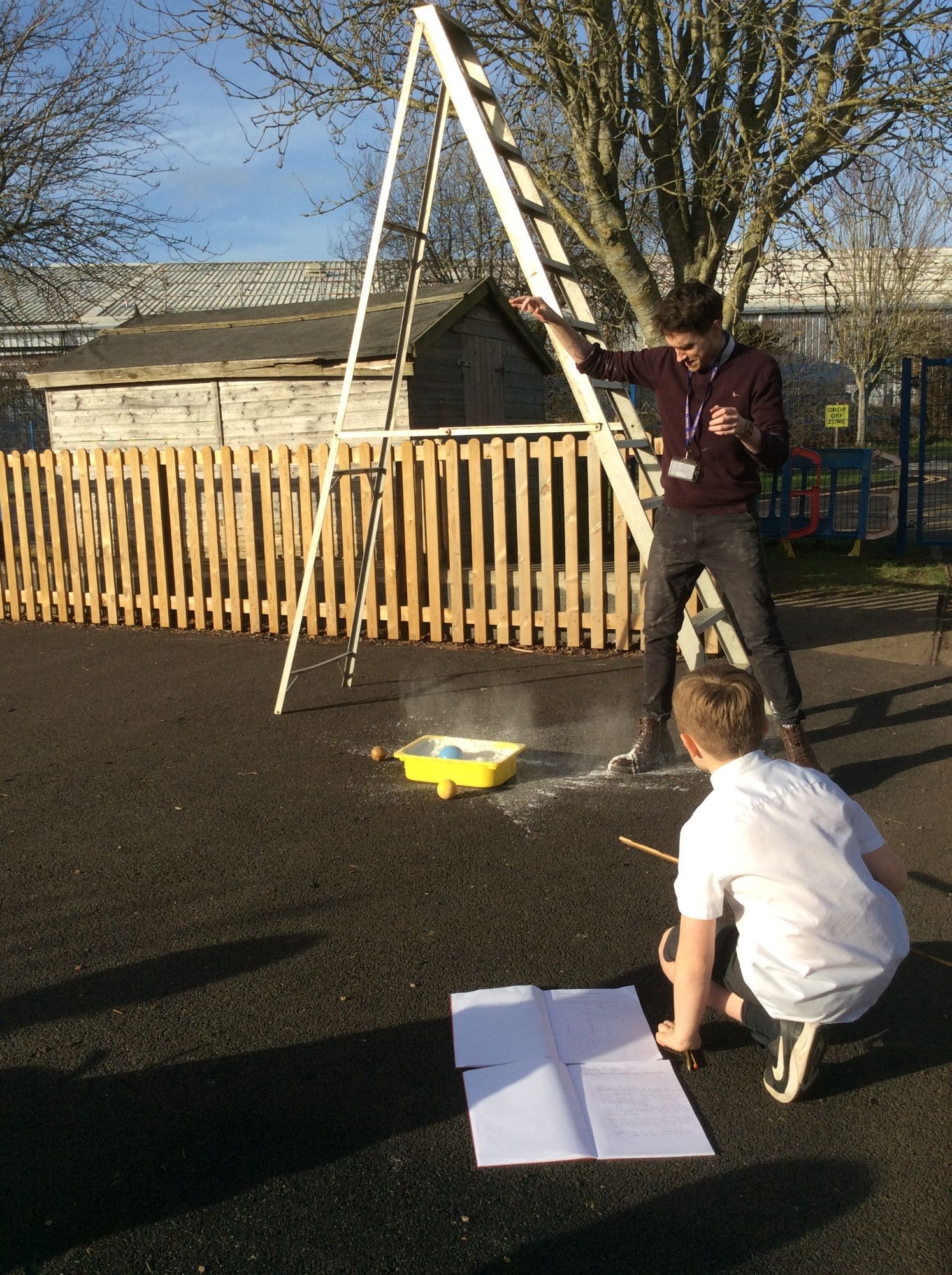
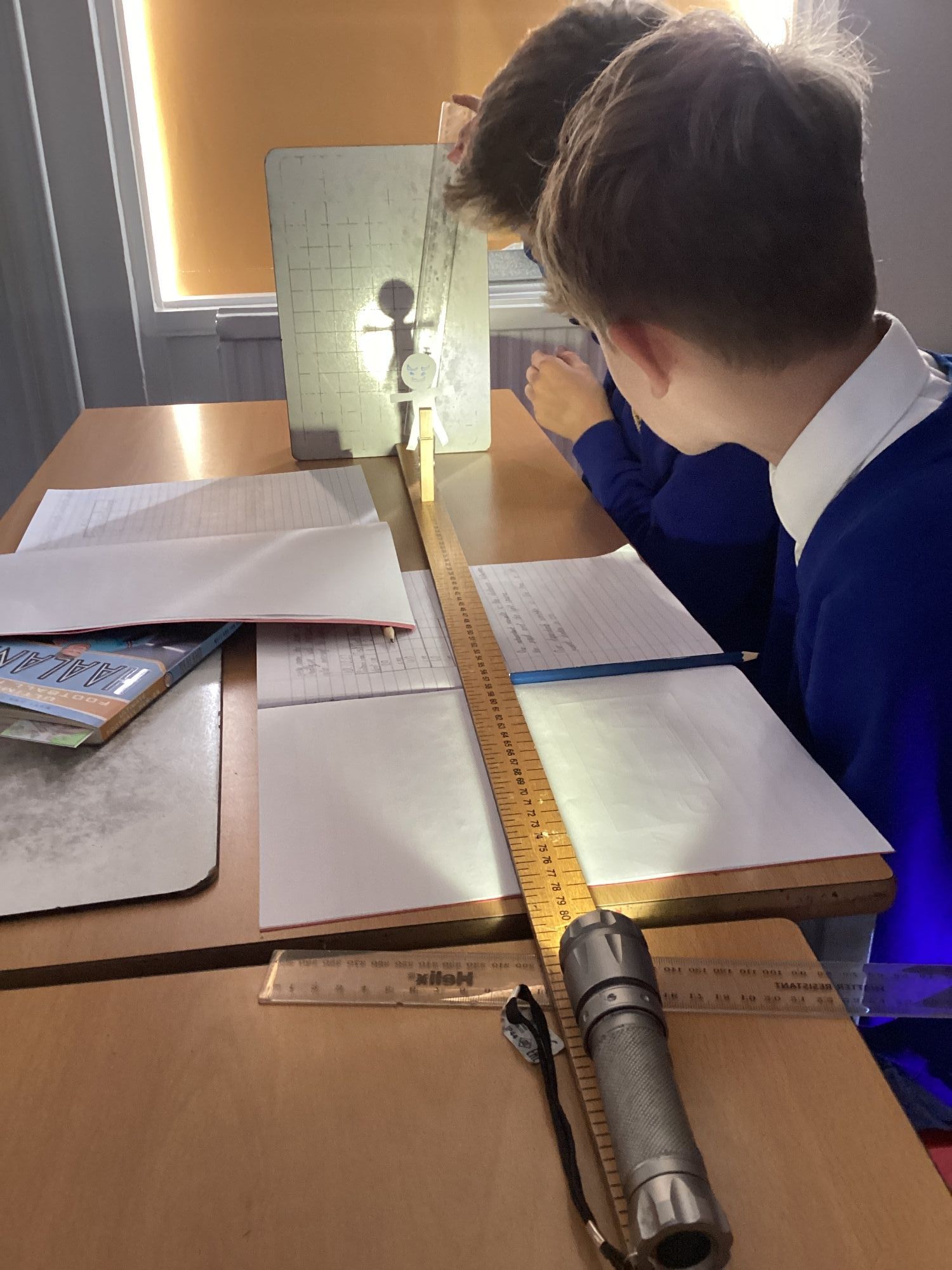
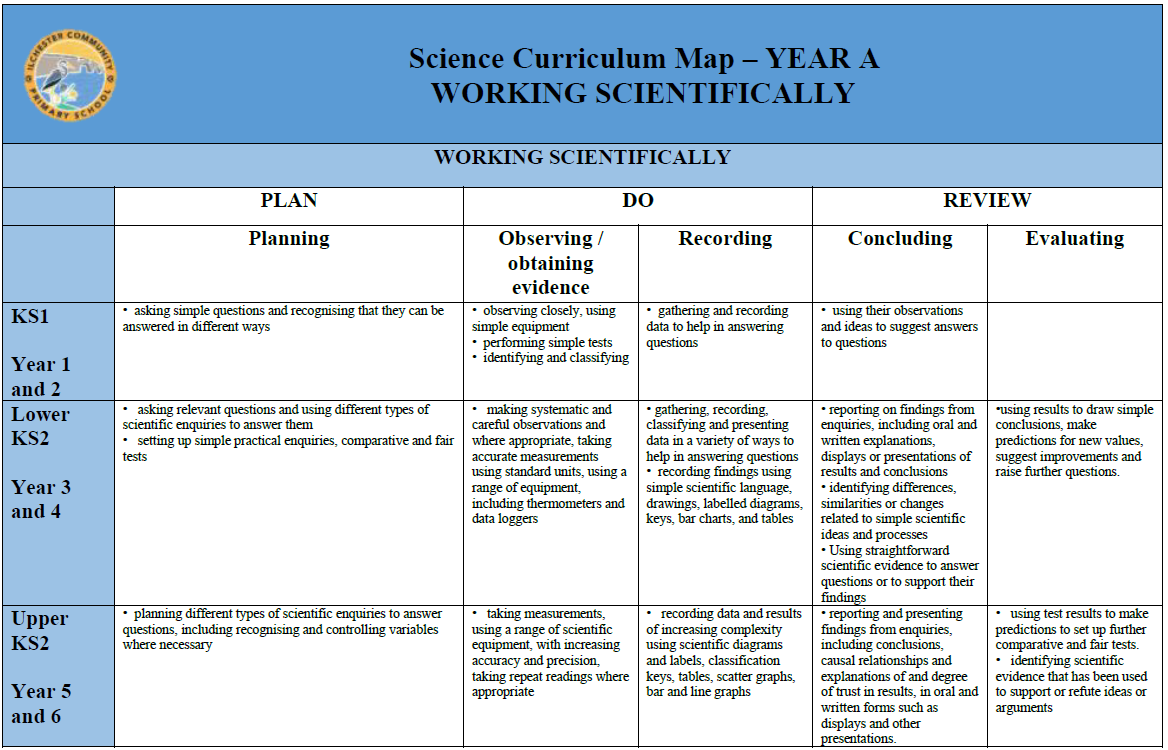
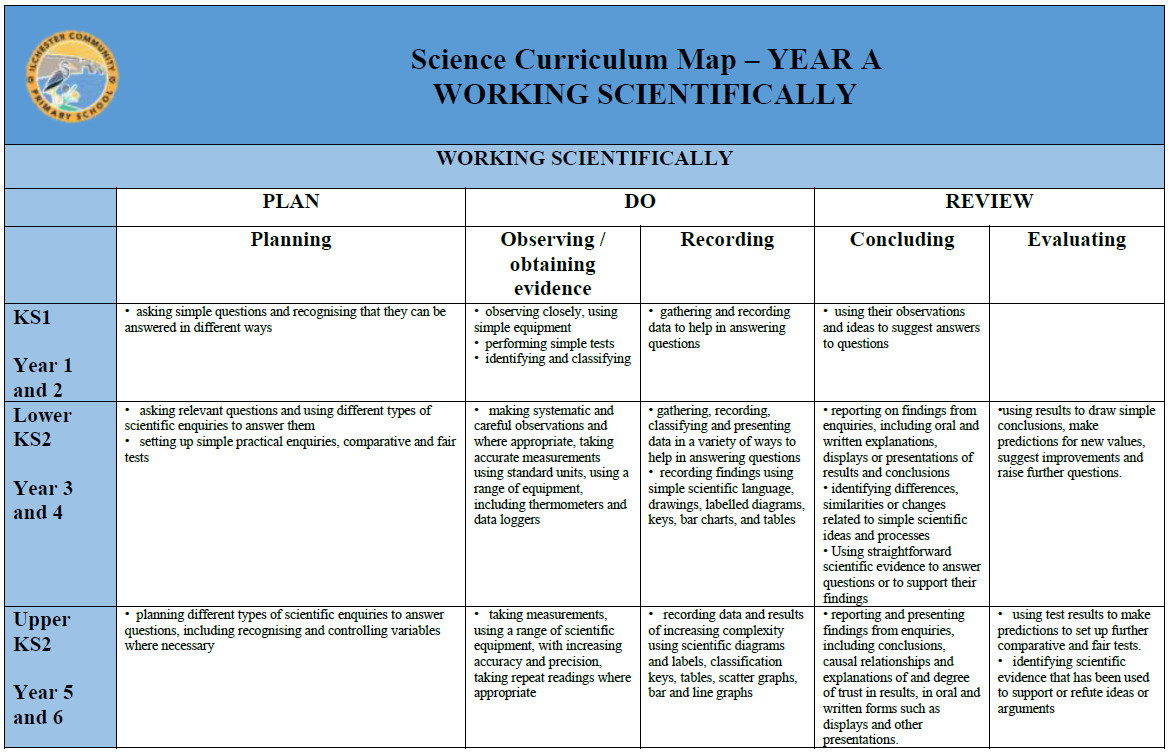
At Ilchester, the skills of working scientifically permeate the science curriculum, so the children can apply their science knowledge when predicting, using equipment, conducting experiments, observing, making measurements, recording results, concluding and explain concepts confidently. The progression within these disciplinary skills is also mapped across each year group to ensure progression. We want the children to be engaged in ‘hands on’ science to develop their skills.
The 2014 national curriculum for science aims to ensure that all pupils:
- Develop scientific knowledge and conceptual understanding through the specific disciplines of biology, chemistry and physics.
- Develop understanding of the nature, processes and methods of science through different types of science enquiries that help them to answer scientific questions about the world around them.
- Are equipped with the scientific skills required to understand the uses and implications of science, today and for the future.
Curriculum Overview
See downloadable documents at the bottom of the page.

Examples of Work