Geography
Purpose of Study
A high-quality geography education should inspire pupils with a curiosity and fascination with the world and its people that will remain with them for the rest of their lives. Teaching should teach pupils about diverse places, people, resources, natural and human environments, and a deep understanding of the Earth's key physical and human processes. As pupils progress, their growing knowledge of the world should help them deepen their understanding of the interaction between physical and human processes and the formation and use of landscapes and environments. Geographical knowledge, experience, and skills provide the frameworks and approaches that explain how the Earth's features at different scales are shaped and interconnected and change over time.
Source: National Curriculum, 2014
Intent
At Ilchester Community Primary School, we want children to understand the area in which they live and how it connects to the rest of the world.
Geography begins with what children know. Learning starts with Ilchester, Somerset and the landscape around us before extending to the United Kingdom, Europe and beyond. By making links between familiar places and new locations, children build their understanding of the world step by step.
We encourage children to be curious about the world around them and to ask questions. Why do people live where they do? Why do rivers flood? How does weather affect people's lives? How do places change over time? These questions underpin learning throughout the geography curriculum.
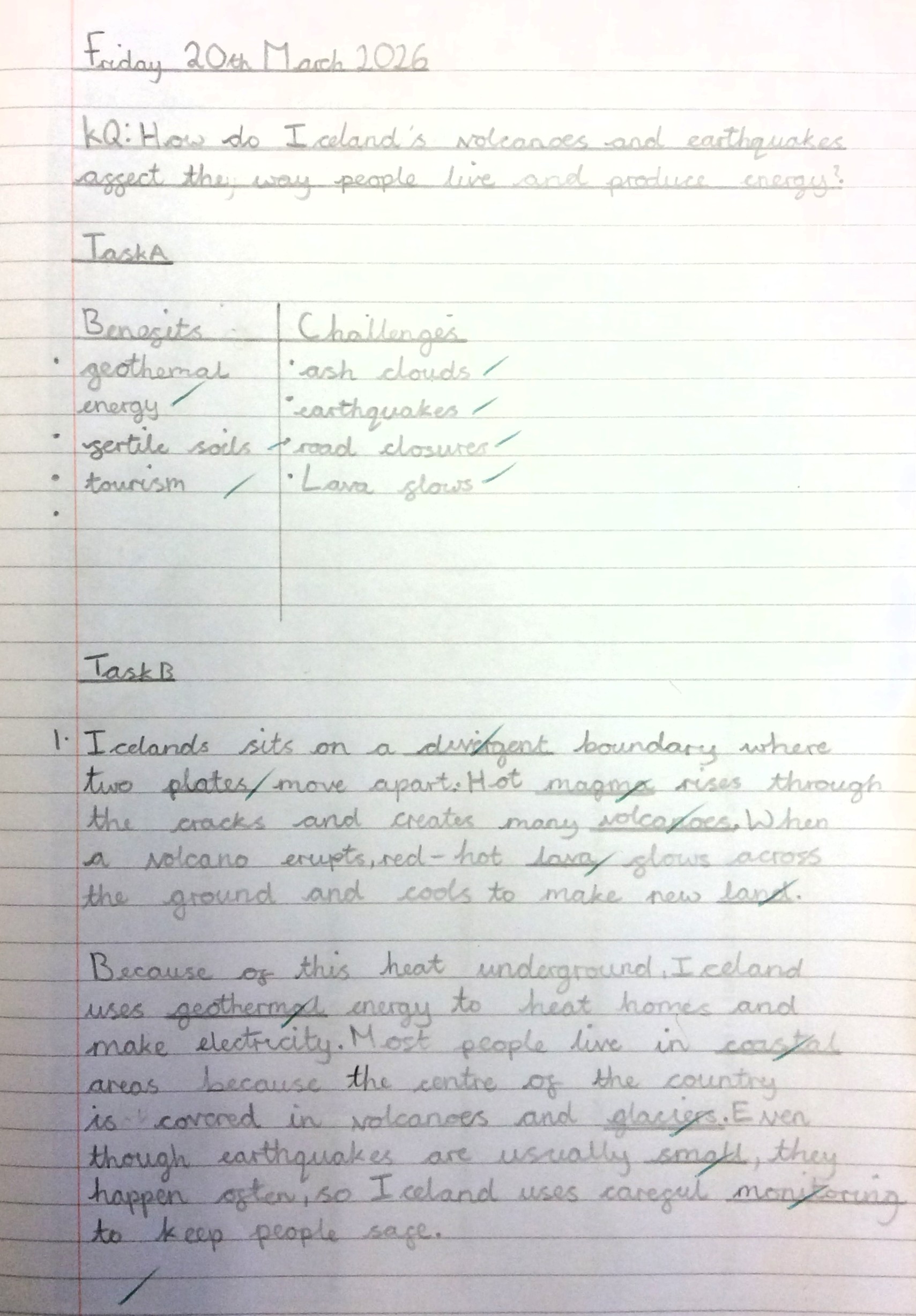
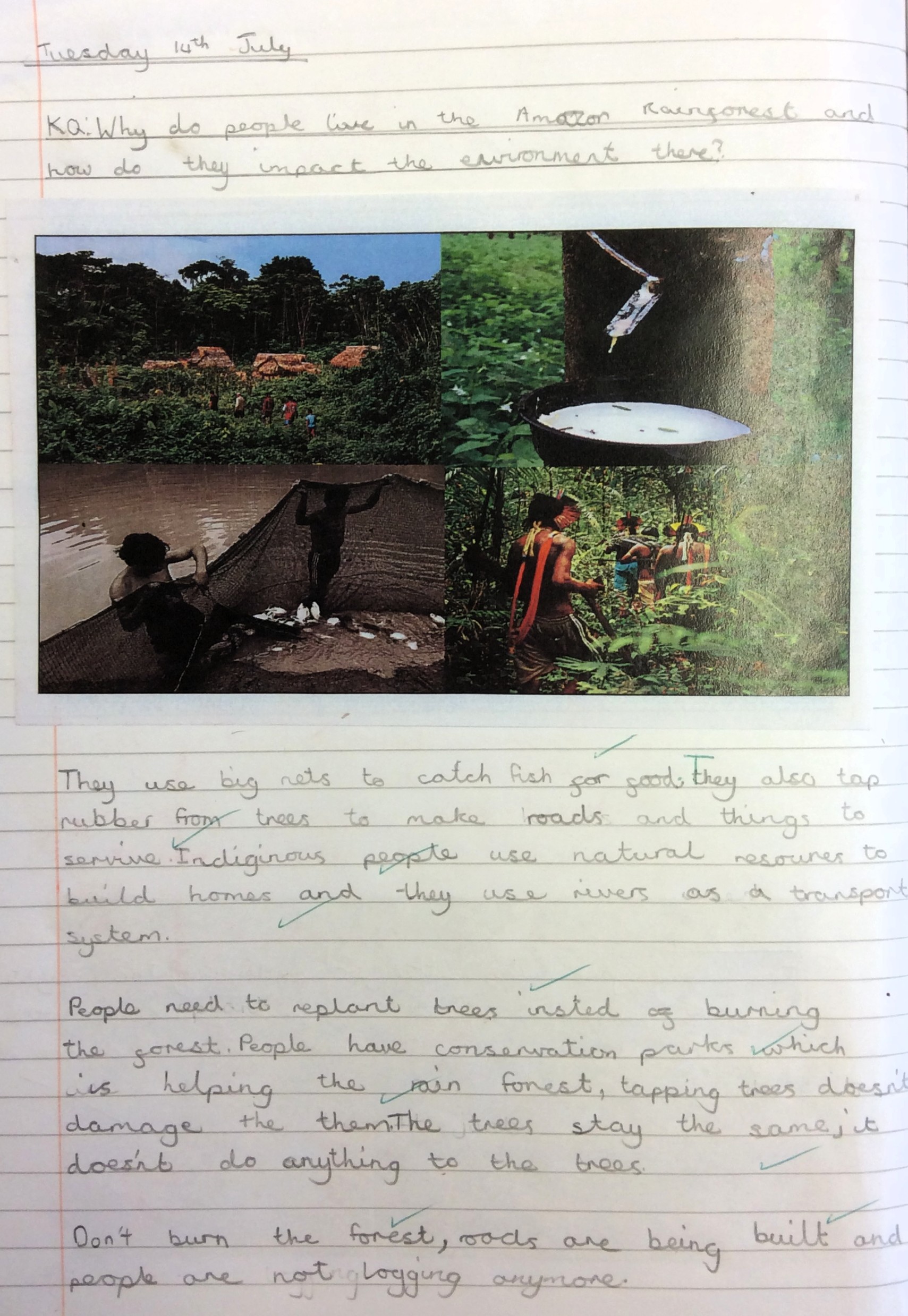
Children study a range of places and environments, including the Somerset Levels, the Amazon rainforest, Iceland, Nairobi and the Alps. Through these studies, they learn about both physical and human geography and how people and environments influence one another.
Our curriculum is built around key geographical ideas such as place, space, scale, environment, time, sustainability, Earth systems and the relationships between people and the physical world. These ideas help children make links between different areas of their learning and understand how places are connected.
A strong understanding of Somerset sits at the heart of the curriculum. Through fieldwork, map work and local studies, children learn about the area in which they live and how it compares with other regions and countries.
By the end of Year 6, we want children to leave Ilchester with a secure understanding of their local area, a good knowledge of the wider world and the confidence to ask questions about the places, people and environments they encounter.
Implementation
In the Early Years, geography begins through exploration of the natural world, seasonal change and the local environment. Children learn through first-hand experiences, observation and discussion.
From Year 1 to Year 6, learning moves from local studies of Ilchester, Yeovil and Somerset to wider studies of the United Kingdom, Europe and the rest of the world. Key geographical knowledge and concepts are revisited regularly so that children can build on what they already know.
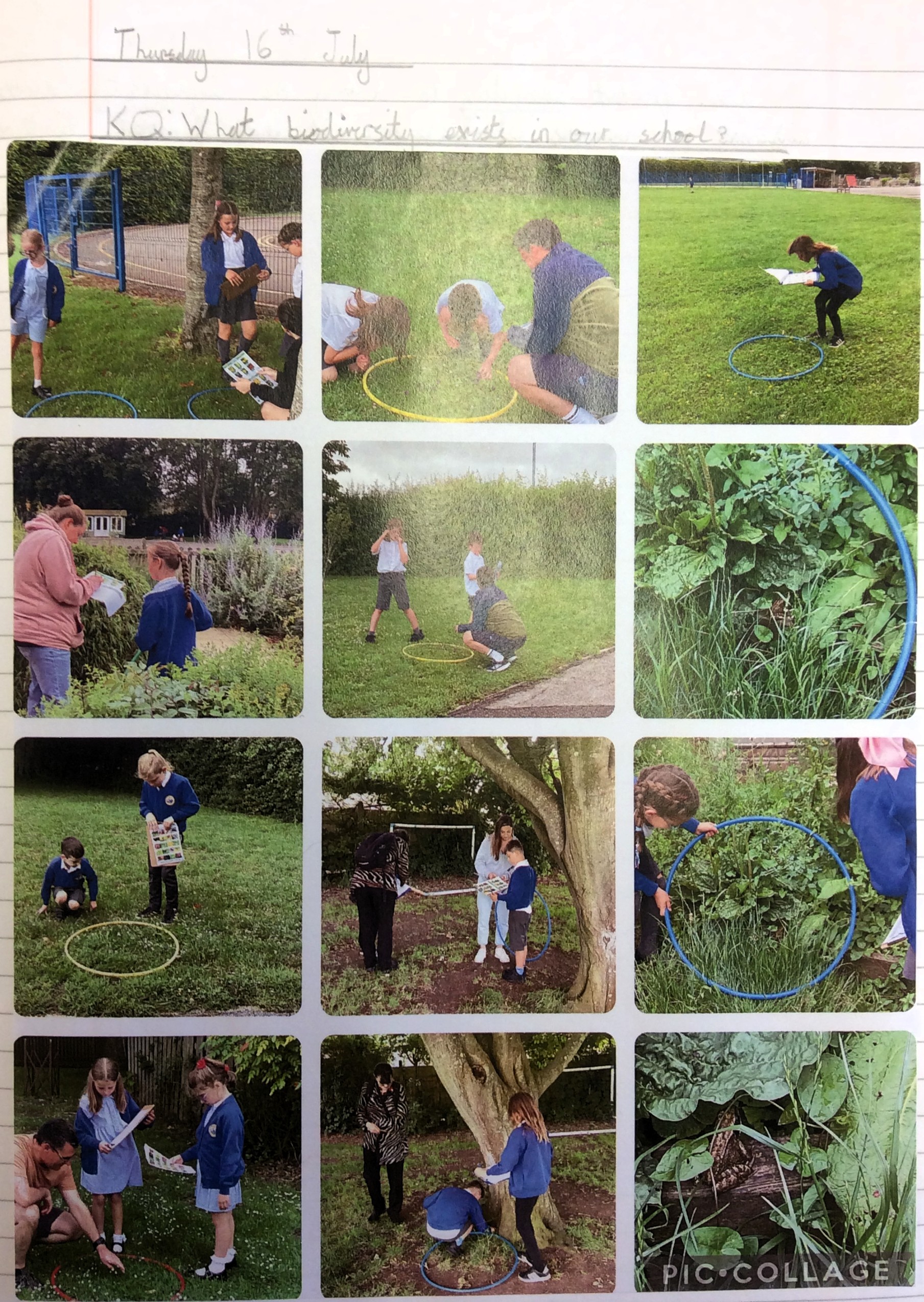
Fieldwork is an important part of geography at Ilchester. Children use maps, atlases, digital mapping tools and practical investigations to observe, ask questions, collect information and draw conclusions.
Geographical vocabulary is introduced and revisited throughout the curriculum. Children's understanding of settlement, climate, migration, trade, sustainability and biodiversity develops over time as they encounter these ideas in different contexts.
Children also learn about a range of biomes and climate zones across the world. By studying environments such as tropical rainforests, deserts, grasslands, tundra and temperate forests, they develop an understanding of how climate shapes both landscapes and the lives of people, plants and animals.
Discussion and enquiry are central to our geography lessons. Opportunities to compare places, consider different viewpoints and explore current issues help children make sense of the world around them and understand how people, places and environments are connected.
Curriculum Overview

Examples of Work